
Subway tiles have long been a staple in interior design, but in 2025, they’re evolving into bold, statement-making features for modern homes. From inventive subway tile layouts to innovative textures, colors, and grout combinations, designers are transforming kitchens, bathrooms, and feature walls with creativity and flair. This guide explores the latest trends, expert tips, and practical strategies to elevate your small and large spaces alike.
Whether you’re a homeowner, remodeler, or interior-design enthusiast, understanding these trends can help you make informed choices and create a stylish, functional space that stands the test of time.
Why Subway Tiles Remain a Timeless Choice
Subway tiles offer unmatched versatility and style:
- Visual Flexibility: Adaptable to small and large spaces alike.
- Endless Customization: Choose from varied shapes, colors, textures, and grout.
- Easy Maintenance: Durable and simple to clean.
- Design Impact: Ideal for focal walls, backsplashes, and shower areas.
Designers love them for their clean lines and timeless appeal, yet modern trends allow for bold experimentation.
Top Subway Tile Layout Ideas for 2025
The layout is key to maximizing both style and functionality.
1. Classic Running Bond (Brick) Layout
A traditional favorite, the brick pattern remains relevant with slight tweaks:
- Offset tiles create subtle movement.
- Works in both kitchens and bathrooms.
- Pair with bold or contrasting grout for visual interest.
Designer Insight: Try a mid-tone grey grout to maintain the classic look while emphasizing pattern depth.
2. Vertical Stacked Tiles
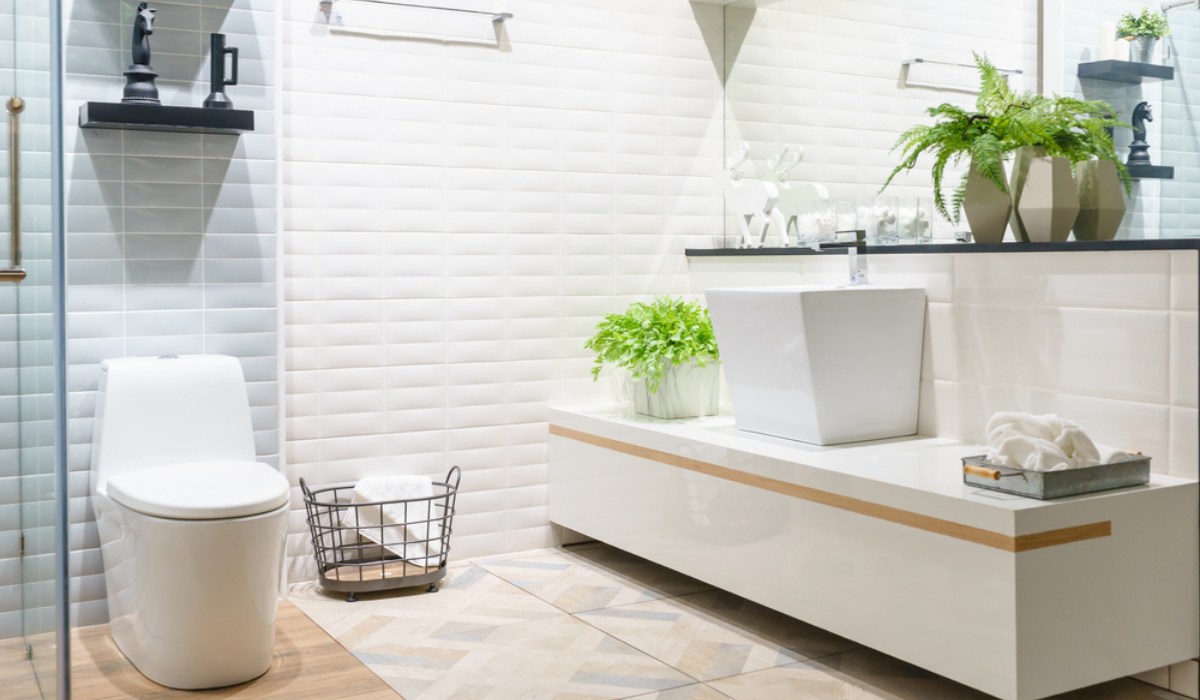
Stacking tiles vertically elongates walls and adds modern appeal:
- Perfect for low-ceiling bathrooms.
- Great for narrow kitchen walls.
- Works well with light colors to enhance brightness.
Tip: Complement vertical layouts with elongated wall fixtures for maximum effect.
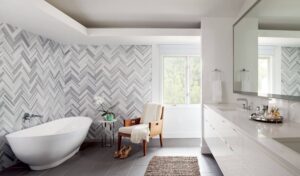
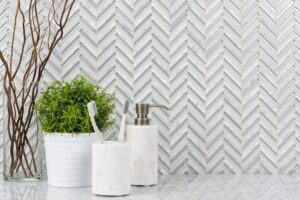
3. Herringbone and Chevron Patterns
These patterns remain a top choice for 2025 small-space design:
- Herringbone: Adds movement and visual texture. Ideal for backsplashes.
- Chevron: Creates continuous V-shaped lines for dynamic interest.
Pro Tip: Use contrasting grout to highlight the intricate pattern without overcrowding the room.
4. Diagonal and Step Ladder Layouts
- Diagonal Tiles: Add dimension and guide the eye across the room.
- Step Ladder (Vertical Offset): Subtle stagger for a modern aesthetic.
Both layouts are ideal for feature walls or compact spaces seeking unique flair.
Subway Tile Color Trends for 2025
Color choices can dramatically affect a room’s perception:
- Soft Neutrals: Cream, white, and light greys for open, airy feel.
- Bold Hues: Deep navy, forest green, and rich terracotta for statement walls.
- Pastels: Mint, blush, or soft blue for subtle personality.
- Glossy Finishes: Reflect light, expanding visual space.
Designer Insight: Use a single bold wall or accent tile to create impact without overpowering.
Grout Ideas to Elevate Small and Large Spaces
Grout is more than filler—it can define style:
- Light Grout: White or soft grey expands small rooms visually.
- Dark Grout: Charcoal or black adds contrast and hides wear.
- Colored or Metallic Grout: For bold, designer-approved focal points.
- Sealed Grout: Increases durability in high-moisture areas.
Tip: Always consider tile size and room lighting when choosing grout.
Pattern Trends & Textures in 2025
- Matte and Textured Tiles: Modern minimalism meets tactile interest.
- Oversized Subway Tiles: Reduce grout lines for cleaner, spacious appearance.
- Handmade & Artisan Tiles: Add depth and character to kitchens or bathrooms.
- Mixed Patterns: Combine classic running bond with herringbone for feature walls.
Kitchen Styling Tips Using Subway Tiles
- Backsplashes: Herringbone or vertical patterns for eye-catching effect.
- Counter-to-Ceiling Tiles: Creates height and continuity.
- Bold Grout: Defines patterns without cluttering.
- Under-Cabinet Lighting: Highlights tile texture and color.
Pro Tip: Stick to lighter tiles in small kitchens to enhance natural light reflection.
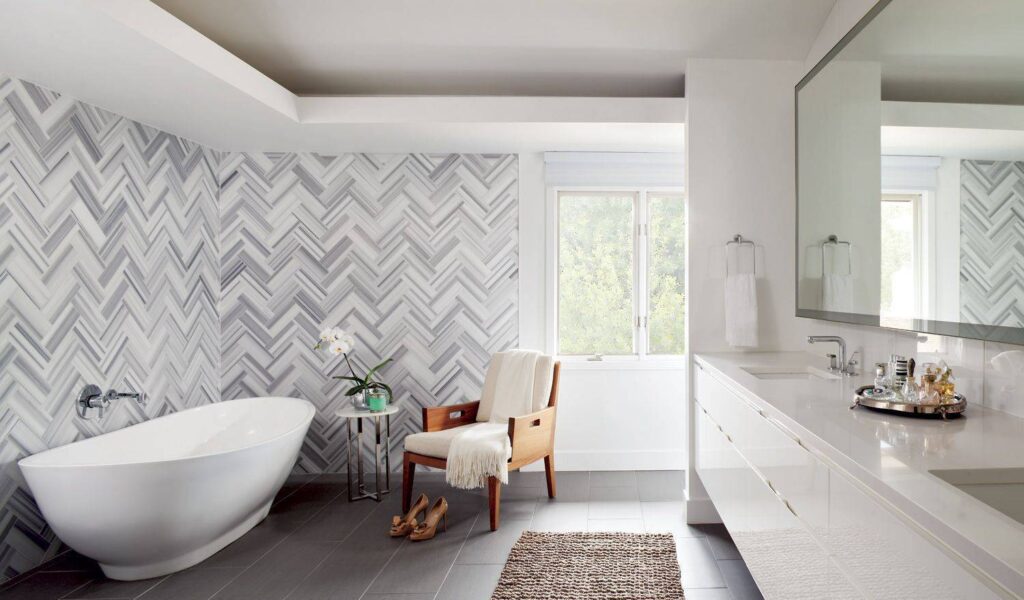
Bathroom Styling Tips with Subway Tiles
- Vertical Layouts: Create a taller, more open feel.
- Feature Walls: Shower or vanity areas for visual interest.
- Glossy Finishes: Reflect light for an airy effect.
- Mixing Patterns: Combine herringbone and brick for depth.
Designer Insight: Avoid excessive dark colors; keep walls light to maintain openness.
2025 Subway Tile Trends Recap
- Matte finishes for minimalism.
- Oversized formats to reduce grout lines.
- Bold grout accents for contrast.
- Textured, handmade tiles for depth.
- Single-wall statement patterns.
FAQs
1. What are the top subway tile layouts for 2025?
Popular layouts include classic running bond, vertical stacked, herringbone, chevron, diagonal, and step ladder designs. Each creates a unique effect in kitchens or bathrooms, helping small spaces feel larger and feature walls stand out with bold visual interest.
2. Can subway tiles make small kitchens appear bigger?
Yes. Light-colored tiles with vertical or horizontal layouts reflect light and visually expand walls. Large-format tiles reduce grout lines, creating a seamless surface that enhances the sense of space without sacrificing style.
3. Which grout colors suit modern subway tile layouts?
Light grey or white grout keeps rooms airy, while charcoal or black offers contrast. For a modern twist, metallic or colored grout can create visual focal points. Always consider tile color and room lighting for balance.
4. Are bold patterns suitable for small bathrooms?
Absolutely. Patterns like herringbone or chevron on a single wall or shower niche can add depth without overwhelming. Pair with neutral surroundings to maintain an open feel.
5. How do I mix tile textures in small spaces?
Use one textured or patterned wall as a focal point while keeping other areas simple. Matte finishes combined with glossy or artisan tiles can create layered visual interest without cluttering.
6. Are subway tiles easy to maintain?
Yes. Durable and easy to clean, subway tiles require minimal maintenance. Sealing grout enhances longevity, and darker grout can hide stains, making them practical for high-traffic kitchens and bathrooms.