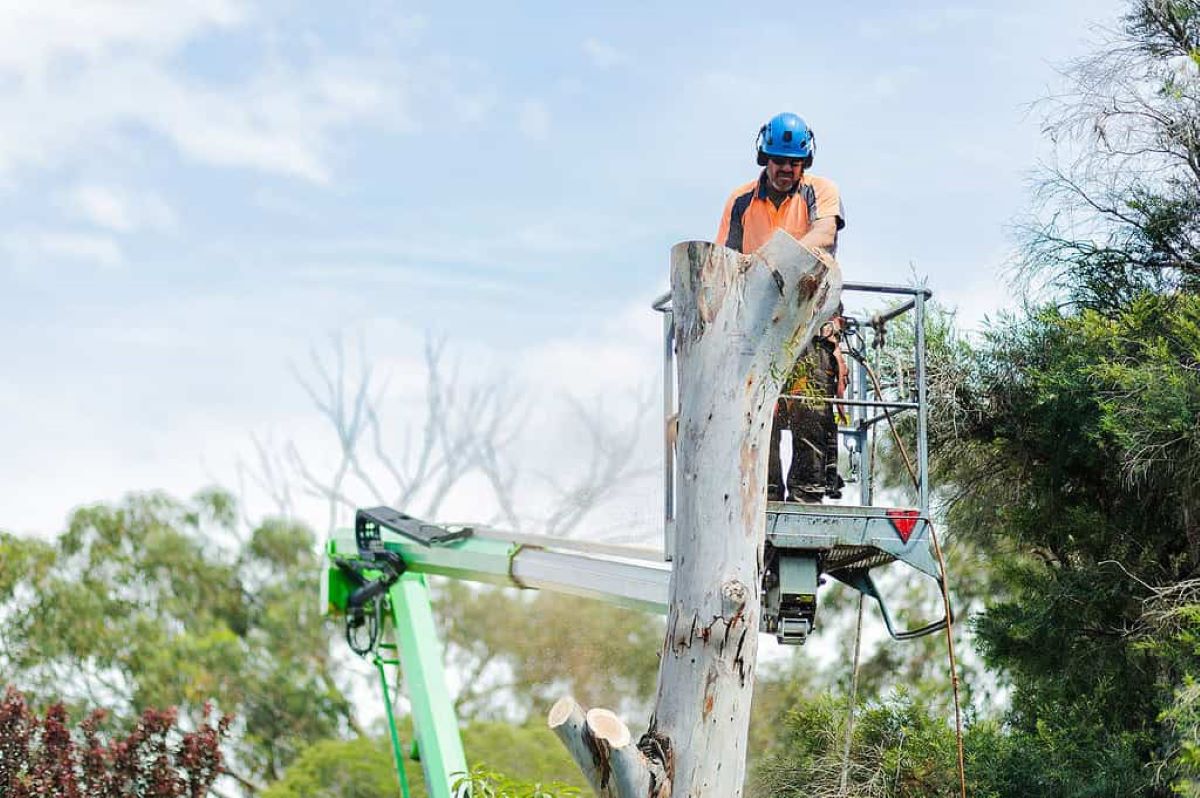

When a tree is protected by a council Tree Preservation Order (TPO), the job is less about chainsaws and more about process. Cherrybrook tree services typically handle it by confirming protection status, matching work scopes to council rules, preparing evidence, lodging applications, and carrying out approved works to Australian Standards.
In suburbs like Cherrybrook, Castle Hill, West Pennant Hills, and across Greater Sydney, TPO rules can vary by council. That is why careful checks and documentation matter before any pruning, removal, or root works begin.
What is a council Tree Preservation Order (TPO) in Australia?
A TPO is a local council control that protects certain trees from removal or heavy pruning without approval. In NSW, it is usually enforced through a council’s Development Control Plan (DCP) or a Tree Preservation Order policy, with penalties for unauthorised work.
Cherrybrook tree services generally treat TPOs as a compliance-first task. Their role is to help property owners understand what is allowed, what needs approval, and what evidence council will expect.
How do Cherrybrook tree services check whether a tree is protected?
They start by identifying the tree species, size, and location, then cross-checking the relevant council rules for that property. This often includes checking minimum trunk diameter thresholds, heritage or conservation overlays, and whether the tree is on a street verge or private land.
Cherrybrook tree services may also confirm boundaries and easements, because works near stormwater lines, sewers, or power can trigger extra requirements beyond a TPO.
Which councils commonly apply TPO rules around Cherrybrook?
Cherrybrook sits near areas administered by councils such as The Hills Shire Council and Hornsby Shire Council, and nearby suburbs may fall under City of Parramatta or Ku-ring-gai depending on location. Each council publishes its own tree management controls, definitions, and application pathways.
Because of that variation, Cherrybrook tree services usually tailor their advice to the exact address. They avoid assuming that a rule in one LGA applies in the next street.
What evidence do they gather before recommending pruning or removal?
They typically document the tree’s condition and risk factors using photos, measurements, and observations such as deadwood, decay, pests, structural defects, or storm damage. If subsidence, blocked drains, or retaining wall pressure is claimed, they often recommend relevant supporting reports rather than relying on a verbal description.
Where appropriate, Cherrybrook tree services may advise engaging a qualified arborist for a formal Arborist Report, especially if the application needs a technical argument to justify removal.
How do Cherrybrook tree services decide whether pruning is allowed without approval?
They map the proposed works against council definitions of “minor pruning” versus “significant pruning.” Many councils allow limited deadwood removal and small percentage canopy reductions without a permit, but “lopping” and major canopy reduction commonly require consent.
Cherrybrook tree services generally keep pruning within accepted standards and avoid aggressive cuts that could be interpreted as unlawful damage. They also aim to maintain tree health, which reduces future hazards and neighbour disputes.
What role does an arborist report play in a TPO application?
An arborist report can translate tree condition into the language councils use for decisions. It commonly includes species details, dimensions, useful life expectancy, risk rating, structural assessment, and management options such as staged pruning, cabling, or removal and replacement.
If council is likely to refuse removal without strong grounds, Cherrybrook tree services often recommend an independent AQF-qualified arborist report to strengthen the application and reduce back-and-forth. Check out more about Engaging an Arborist.
How do they prepare and lodge a council application?
They help the owner define a scope that aligns with council categories, such as pruning percentage, limb diameter limits, or removal with replacement planting. They then collate supporting evidence like site photos, a marked-up diagram, and the arborist report where required.
In many cases, Cherrybrook tree services can guide owners through online lodgement portals and ensure attachments match council checklists. They also help owners describe the works clearly so council can assess it without assumptions.
How do they handle urgent cases like storm damage or immediate risk?
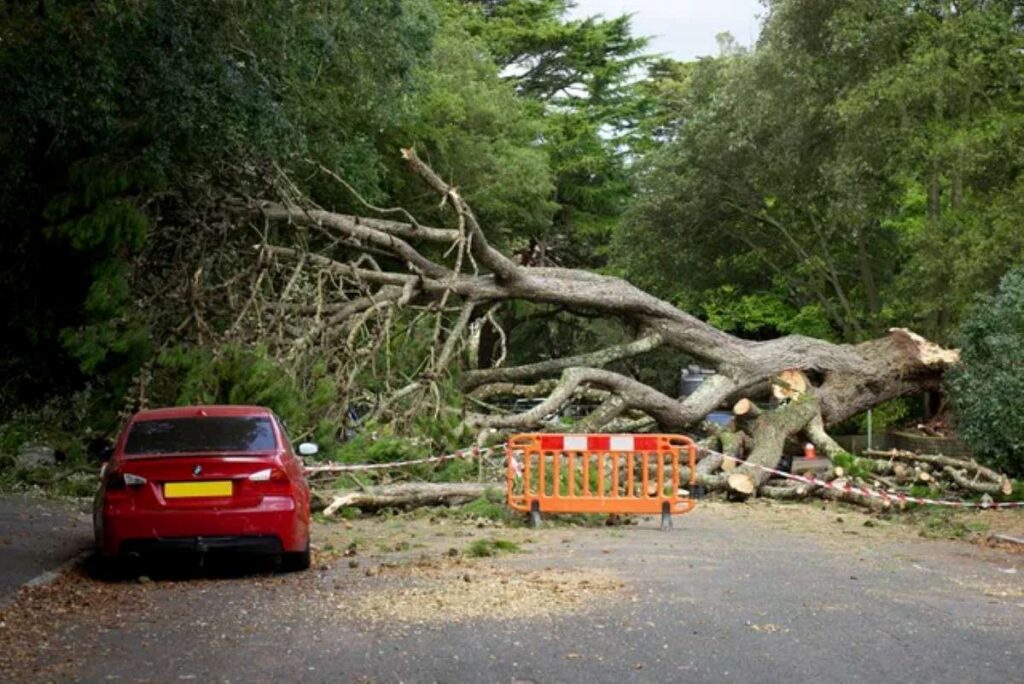
For urgent hazards, they typically prioritise making the site safe while staying within what council allows in emergencies. That may include isolating a hanging limb, removing a failed branch from a roofline, or installing exclusion zones until approvals are confirmed.
Cherrybrook tree services often document urgent works carefully with time-stamped photos and notes. If council queries the work later, the documentation can show the action was risk-driven, minimal, and necessary.
How do they manage protected trees near neighbours and shared boundaries?
They usually encourage owners to communicate early, because disputes can escalate into council complaints. If branches cross boundaries, they consider access permissions, drop zones, and whether works must be performed from one side only.
When trees are jointly impacting fences, gutters, or sunlight, Cherrybrook tree services may suggest a conservative, standards-based prune supported by clear photos. This helps prevent claims of over-pruning or unlawful damage to a protected tree.
What standards and methods do they use to stay compliant?
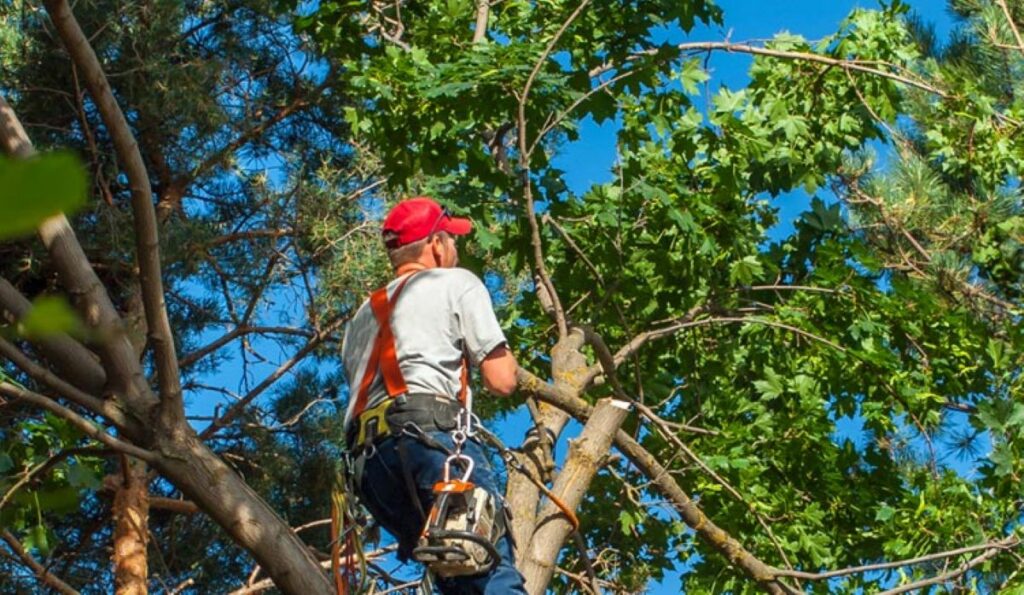
They generally work to Australian Standard AS 4373 (Pruning of amenity trees) and use arboricultural methods that avoid unnecessary harm. That includes correct cut placement, avoiding flush cuts, using reduction cuts rather than topping, and managing weight reduction to reduce limb failure.
Cherrybrook tree services typically also follow safe work practices for rigging, traffic management, and working near powerlines. Compliance is not just council-based; it is also safety, insurance, and liability based.
How do they handle street trees, nature strips, and trees near utilities?
Street and verge trees are often council assets, so permission requirements can be stricter. They may need a different application process, and councils may only permit works by approved contractors.
Cherrybrook tree services usually confirm ownership before quoting. For trees near Ausgrid infrastructure or private service lines, they factor in clearance rules and may refer work to accredited line-clearance arborists if required.
What happens if council approval is refused?
If refused, they typically review the decision reasons, then suggest alternative scopes such as staged pruning, selective limb removal, or ongoing monitoring. In some cases, additional evidence can be gathered, such as a more detailed risk assessment or engineering input where tree roots are alleged to be causing structural damage.
Rather than pushing ahead, Cherrybrook tree services usually advise owners against unapproved works. The cost of doing it twice is often lower than the cost of fines, rectification, or legal issues.
How do they approach replanting and replacement conditions?
Councils often approve removals with conditions like planting a replacement tree of a nominated size, species, and location. They may also require ongoing maintenance or a timeframe for planting.
Cherrybrook tree services often help owners pick replacement species suited to Sydney soils, available space, and bushfire considerations where relevant. They also encourage choosing trees that will not recreate the same conflicts with buildings, pools, or powerlines.
See Also : What Should A Crows Nest Arborist Check On Unit Blocks?
What should homeowners expect in timeframes and costs?
Timeframes depend on council processing, complexity, and whether an arborist report is needed. Simple pruning applications may be quicker, while removals with disputes or high-amenity trees can take longer, especially if a site inspection is scheduled.
Cherrybrook tree services usually quote in two parts: the council approval support work (inspection, documentation support, liaison) and the physical tree works after approval. That separation helps owners plan without paying for works they are not yet allowed to do.
How do they document completed works for council and owners?
After the work is done, they often provide before-and-after photos, notes on what was cut, and confirmation that the scope matched the approval. This is useful if council receives a complaint or if the property is sold and the buyer asks what happened to a previously protected tree.
For ongoing management, Cherrybrook tree services may recommend a maintenance cycle that keeps future pruning within minor-works limits. Regular, light pruning is often easier to approve and better for tree health.
How can owners avoid common TPO mistakes before calling a contractor?
They can avoid trouble by not assuming “it is on private land, so it is theirs to remove.” They should also avoid “just a quick cut” that becomes a major canopy reduction once the saw starts, because that is the point where many complaints arise.
A practical approach is to contact Cherrybrook tree services early, ask them to confirm protection status, and only proceed once the scope is clear. In most cases, the safest path is simple: verify, apply if needed, then prune or remove only what council has approved.
What is the simplest way Cherrybrook tree services keep TPO jobs stress-free?
They keep it stress-free by treating council rules as part of the job, not a separate burden. Cherrybrook tree services typically focus on clarity: confirm the rules, define a compliant scope, provide strong evidence, and complete the work to standard once approval is in place.
That approach protects the tree where appropriate, protects the homeowner from penalties, and protects the neighbourhood canopy that councils are trying to keep.
