
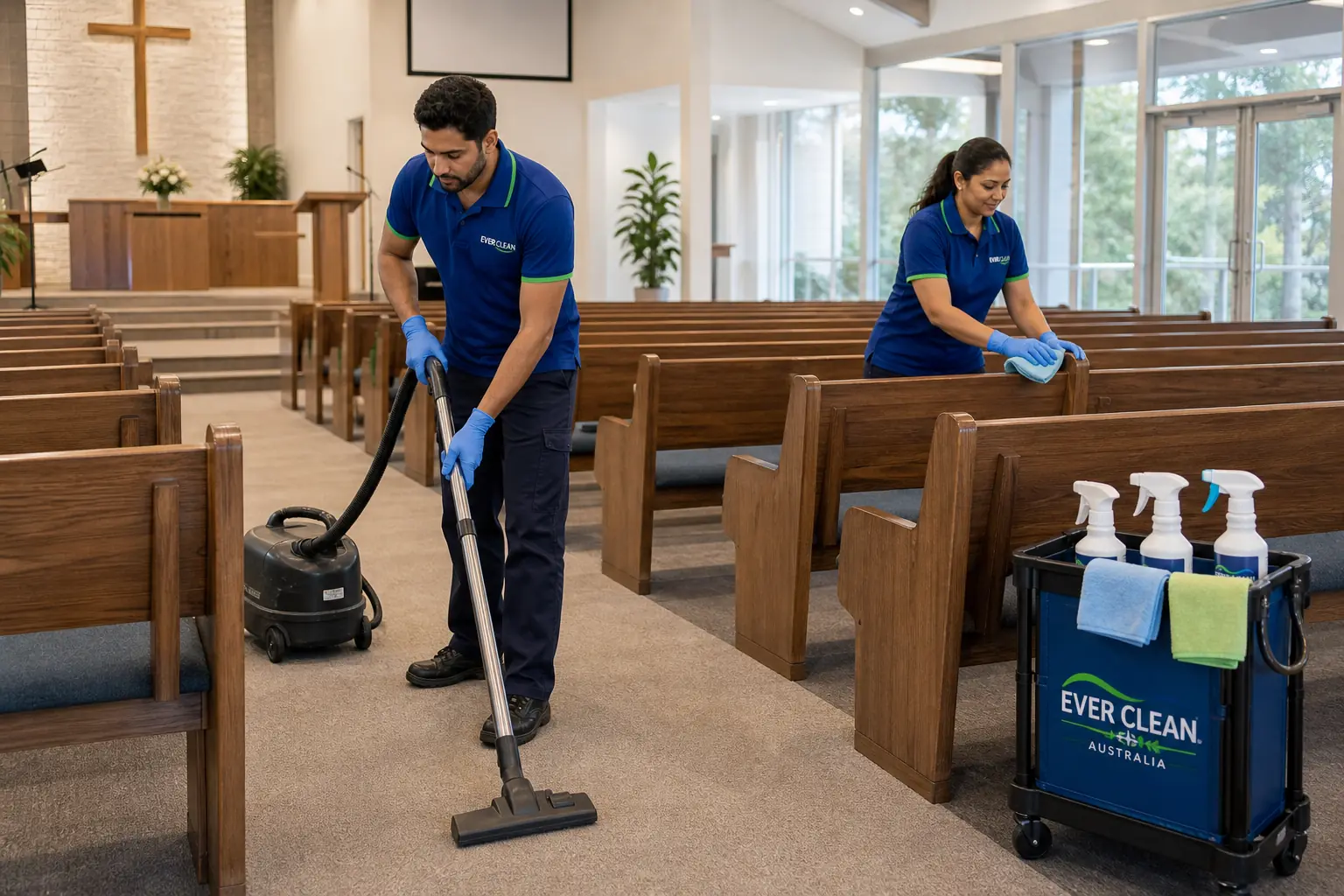

Most venues in Australia can be reset faster than people expect, but the real answer depends on access, waste volume, and how prepared the crew is. In practice, event cleaning services can deliver anything from a rapid 30–90 minute tidy to an overnight deep clean, depending on the scope.
The key is that turnaround time is planned, not guessed. When the venue, organiser, and cleaners align on a clear run sheet, event cleaning services can work to tight bump-out windows without compromising safety or presentation.
How fast can event cleaning services reset a venue after guests leave?
They can often complete a basic reset in 1–3 hours for smaller functions, and 3–8 hours for larger events with heavy foot traffic. That window usually covers rubbish removal, surface wipe-downs, toilet refreshes, and a visible “ready-to-reopen” finish.
For many Australian venues, the fastest results come when cleaners start during the event. With roaming attendants and scheduled bathroom checks, event cleaning services reduce the post-event load and shorten the final turnaround.
What counts as a “turnaround” in event cleaning terms?
A turnaround usually means the venue is presentable, safe, and set for the next booking, not necessarily “as-new” spotless. It often includes waste removal, spot mopping, bathroom restocking, and checking high-touch points like doors and rails.
If the next booking is immediate, event cleaning services prioritise what guests notice first: entryways, bars, seating zones, and toilets. Deep cleaning is typically scheduled after the venue is operational again.
What are typical turnaround times for different Australian event types?
They vary, but patterns are consistent across major cities like Sydney, Melbourne, Brisbane, Perth, and Adelaide. A cocktail event in a function room might take 2–4 hours to reset, while a corporate conference may need 3–6 hours due to multiple rooms and breakout spaces.
Festivals and outdoor events often take longer because of dispersed waste, public amenities, and weather impacts. In those cases, event cleaning services may stage crews across zones to prevent a long end-of-night clean.
How do venue size and guest numbers change the turnaround time?
More guests usually means more waste, more spills, and heavier bathroom use, which increases labour hours quickly. A 200-person event in a compact venue can be faster than a 200-person event spread across multiple levels, bars, and outdoor areas.
They generally estimate time by combining square metres, expected waste volume, and the number of bathrooms. When those inputs are accurate, event cleaning services can scale staffing to meet the venue’s reopen deadline.
What tasks take the longest during an event clean?
Bathrooms and flooring are often the time sinks, especially if there are sticky spills, tracked-in dirt, or high traffic near bars. Waste sorting can also slow things down if the venue requires separation for general waste, recycling, and container deposit streams.
Another common delay is bump-out congestion. If suppliers, AV, florists, and caterers are all exiting at once, event cleaning services may need staged access to complete floors efficiently.
How much faster is it when cleaners work during the event?
It is usually significantly faster, because the “end clean” becomes more like a final sweep than a rescue mission. Roaming cleaners can empty bins before overflow, wipe spills before they set, and keep toilets usable throughout the night.
This approach also reduces risk. When mess is managed in real time, event cleaning services can prevent slip hazards and bathroom shutdowns that create complaints or safety incidents.
What information do event cleaning services need to quote an accurate turnaround?
They need the venue layout, event schedule, guest numbers, waste expectations, and access details such as loading docks and lift times. They also need clarity on what “ready” means, because a reset for a wedding differs from a reset for a trade show.
In Australia, venues often have strict bump-in and bump-out rules. When organisers share those constraints early, event cleaning services can build a realistic plan with the right crew size and equipment.
How do access, loading zones, and lifts affect cleaning speed?
They can make or break the timeline. If cleaners cannot park close, if lifts are shared with bump-out, or if bins must be wheeled long distances, minutes turn into hours across multiple trips.
Many CBD venues in Sydney and Melbourne have tight dock booking slots. In those settings, event cleaning services often bring compact trolleys, pre-stage bags, and assign runners to keep the main crew cleaning instead of transporting.
Other Resources : Sydney Function Venues CBD

What equipment helps event cleaning services finish faster?
Commercial vacuums, auto scrubbers, microfibre systems, and high-capacity bin setups reduce manual time. Fast-dry mopping systems also help when venues need floors reopened quickly for staff, security, or the next booking.
They also move faster when consumables are planned. If liners, paper products, and soap are staged, event cleaning services spend less time hunting supplies and more time finishing checks.
Can event cleaning services handle last-minute bookings and still turn a venue around quickly?
They can, but speed depends on availability and how complex the site is. A straightforward venue with clear access and a defined scope can be accepted on short notice, especially if the provider has crews already operating nearby.
For urgent turnarounds, event cleaning services usually prioritise visible areas first, then return for detail work if the venue schedule allows. The best outcomes happen when the organiser confirms scope in writing and avoids on-the-night changes.
What standards apply to toilets, kitchens, and food service areas in Australia?
They must meet hygiene and safety expectations consistent with local council requirements and venue policies, especially where food is handled or served. Toilets typically require more than a quick wipe, including restocking, sanitising touchpoints, and managing odours.
If a venue includes back-of-house kitchens, turnaround can require extra steps. In those cases, event cleaning services may split teams so the public areas are reopened while the detailed hygiene work continues in restricted zones.
How do they keep turnaround fast without missing details?
They use checklists, zone assignments, and a supervisor walk-through. Instead of everyone doing everything, crews are commonly split into bathrooms, floors, waste, and touchpoints to reduce overlap and rework.
A final quality check is where speed and standards meet. Strong event cleaning services will verify bins, floors, and entry points before sign-off, so the venue does not discover issues after doors reopen.
What should organisers do to help event cleaning services finish on time?
They should provide a run sheet, confirm access, and coordinate bump-out so cleaners can enter zones in a planned order. They should also encourage vendors to keep packing materials contained, because scattered cardboard and tape slow the reset.
Clear communication matters most in the final hour. When organisers assign one point of contact, event cleaning services can make quick decisions and avoid delays caused by conflicting instructions.

How should venues plan cleaning when another event starts the same day?
They should schedule cleaning windows like any other supplier, with firm access times and a buffer for surprises. Same-day flips usually work best with a two-phase clean: a rapid reset first, then a deeper detail clean when the venue is quiet.
In high-rotation spaces such as community halls and function centres, event cleaning services may recommend an “inspection hold” where the venue manager signs off before styling or setup begins.
What turnaround time should they expect as a practical rule of thumb?
They can expect 1–3 hours for small-to-medium events, 3–8 hours for large indoor events, and overnight for heavy-soil or multi-zone sites. Outdoor events can vary widely, especially with rain, wind, or public access constraints.
The most reliable way to lock in speed is planning and staffing. When expectations are clear and access is managed well, event cleaning services can turn around Australian venues quickly, consistently, and with fewer surprises.
More to Read : What Church Cleaning Checklists Cover Beyond the Main Hall
