
Storm season across Sydney’s North Shore reliably leaves a mess behind. Once the wind drops and the rain clears, homeowners, strata managers, and businesses quickly realise that damaged trees do not fix themselves.
That is why Willoughby tree services demand tends to spike in the weeks after major weather events, especially when roads reopen, insurers start bookings, and councils resume normal operations.
Why do storms create so much urgent tree work in Willoughby?
Storms commonly snap limbs, split trunks, and loosen root plates, even when trees look “mostly fine” from the street. In suburbs like Willoughby, Castlecrag, Northbridge, and Chatswood, tall trees sit close to homes, power lines, and narrow driveways, so small failures become immediate hazards.
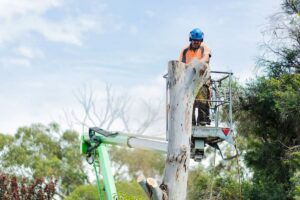
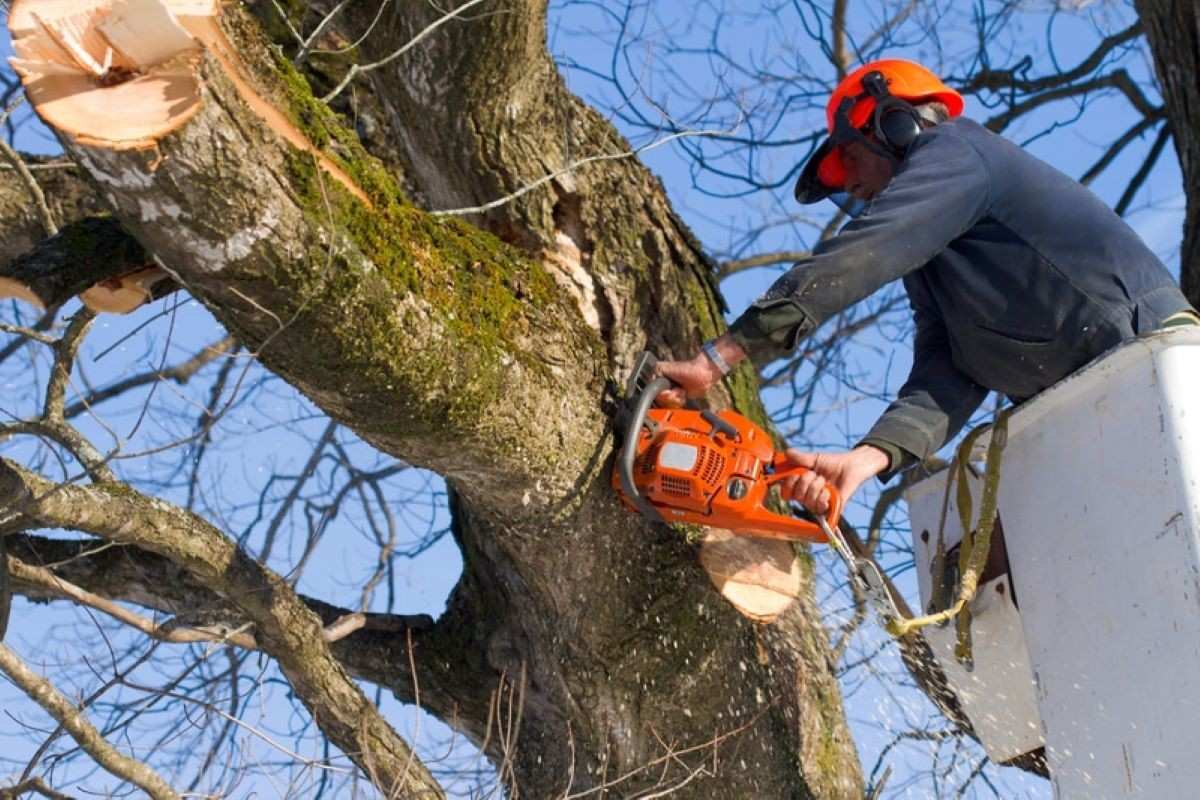
After storms, Willoughby tree services are often called for removals, make-safes, and urgent pruning where trees are now unsafe but still standing.
Why do “hidden” storm impacts show up days or weeks later?
Some damage is internal, not obvious on day one. Cracks can open slowly, water can enter split unions, and saturated soils can keep roots unstable long after the rain stops.
That delayed risk is a key reason Willoughby tree services receive follow-up calls after the initial clean-up rush, when residents notice leaning trees, fresh movement in the ground, or new canopy dieback.
Why do insurers and strata managers drive post-storm demand?
Insurance claims often trigger professional reports, photos, and itemised scopes of work. Strata managers also have a duty to address common property risks quickly, especially where branches threaten cars, paths, bins, or shared entries.
As claims progress, bookings stack up, and Willoughby tree services providers can be managing multiple strata sites at once across the Lower North Shore.
Why do blocked access and clean-up delays cause a second surge?
Immediately after a major storm, streets can be partially blocked, green waste piles up, and some properties cannot be accessed safely. Once council clean-up crews clear main roads and residents finish the first round of debris removal, arborists can finally reach backyards and tight side access points.
That is when Willoughby tree services demand often spikes again, because the “hard jobs” become practical to start.
Why do powerline clearances and electrical hazards increase bookings?
In Sydney, storms frequently push branches into service lines and near street power infrastructure. Even if power is restored quickly, branches can remain dangerously close, and future winds can bring them down.
Because only appropriately qualified crews can work near electrical assets, post-storm scheduling tightens and Willoughby tree services teams with the right experience become heavily booked.
Why do councils and approvals affect how fast work can begin?
Willoughby Council and neighbouring council areas can have rules around pruning and removal, particularly for significant trees or where heritage and environmental overlays apply. After storms, residents may assume “emergency” means no paperwork, but that is not always the case.
Experienced Willoughby tree services providers typically help clients understand when urgent make-safe work is allowed and when approvals or documentation may still be needed.
Why do certain tree types fail more often after heavy wind and rain?
Different species behave differently under load. Some trees shed limbs readily, some split at weak branch unions, and others are more prone to root failure when soils are saturated.
In the North Shore context, post-storm callouts for Willoughby tree services commonly involve large eucalypts, older ornamental trees with heavy canopies, and trees affected by prior pruning wounds or decay.
Why does prior pruning and poor structure make storm damage worse?
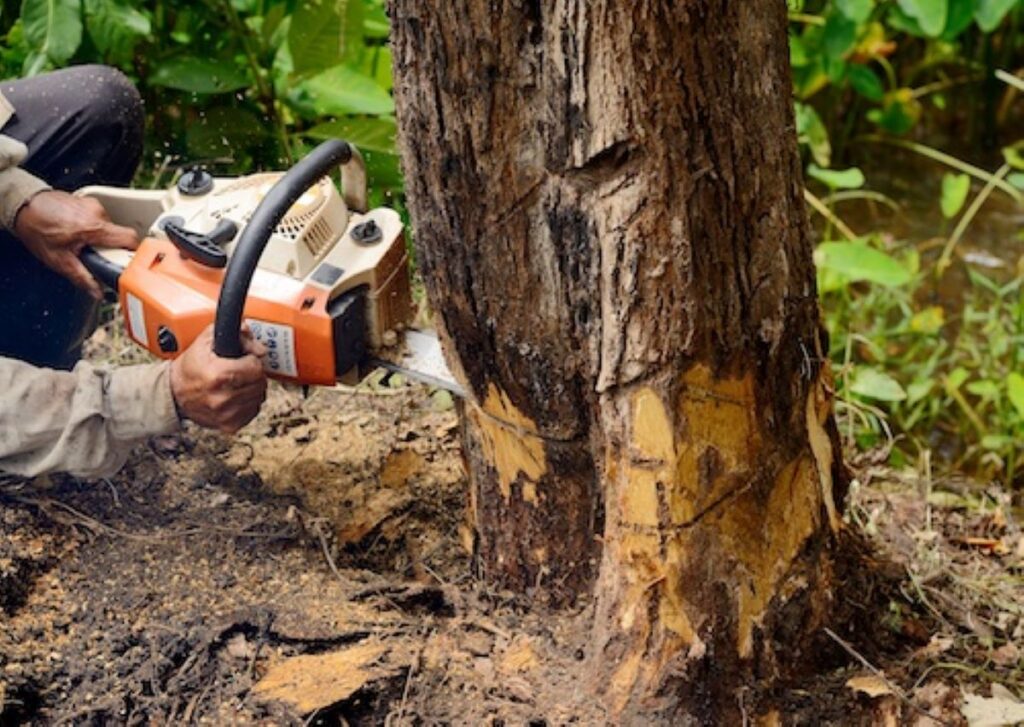
Trees with long, end-weighted limbs, dense canopies, or old topping cuts can be more likely to fail. Poor pruning can also create decay points that weaken the tree over time, so the storm simply “finishes the job.”
That is why many clients book Willoughby tree services after storm season not only for removals, but also for corrective pruning to reduce repeat risk next year.
Why do homeowners often underestimate the legal and safety risks?
A damaged tree is not only a yard problem. If a limb drops onto a neighbour’s roof, a footpath, or a parked car, liability questions can follow, especially if the tree was visibly unsafe and left unaddressed.
Booking Willoughby tree services promptly after storm season is often about risk management, not aesthetics, particularly for properties near shared boundaries and public areas.
Why do emergency jobs take priority over routine maintenance?
After big weather, arborists prioritise immediate hazards: hanging branches, split trunks, and trees impacting access. Routine hedging, shaping, and non-urgent pruning often gets pushed back.
This triage effect increases lead times and concentrates capacity on hazardous work, which is another reason Willoughby tree services calendars fill quickly after storm season.
Why does green waste disposal become a bigger issue after storms?
Storm debris is bulky, heavy, and often mixed with mud, fencing, and roofing fragments. Council green bins and standard bookings may not be enough, and not every site has easy truck access.
Because disposal and logistics can be the slowest part of the job, Willoughby tree services providers often schedule larger crews, trucks, chippers, and tip runs post-storm, which limits available slots for new requests.
Why should they book inspections even if the tree is still standing?
A standing tree can still be dangerous if it has new cracks, fresh lifting at the base, or large deadwood exposed by wind. A proper assessment helps decide whether the right response is removal, targeted pruning, or monitoring.
Many residents engage Willoughby tree services for post-storm inspections to avoid guessing, especially when trees overhang bedrooms, driveways, or neighbouring properties.
Why do some properties experience repeat failures across multiple storms?
If a site has shallow soils, poor drainage, or trees with unbalanced canopies, each storm can compound the damage. One broken limb can change wind loading patterns, making the next event more likely to cause a major failure.
That pattern is why Willoughby tree services demand remains elevated for months, not just days, as property owners move from emergency response to longer-term remediation.
Why does proactive pruning before storm season reduce post-storm costs?
Selective pruning can reduce sail effect, remove deadwood, and improve branch structure, which can lower the chance of major breakage. It also tends to be cheaper than urgent callouts, especially when access is tight and hazards are higher.
When clients schedule Willoughby tree services proactively, they often avoid the premium timing and limited availability that follows storm season.
Why is it smart to plan a post-storm checklist for trees?
A simple checklist helps them act quickly without overreacting. They can look for hanging branches, fresh splits, leaning trunks, lifted roots, and branches contacting power lines, then prioritise hazards.
For anything high-risk or unclear, booking Willoughby tree services is usually the safer option than DIY cutting, ladders, or chainsaws near unstable timber.

Why does demand peak specifically after storm season, not during it?
During storms, many people cannot safely access the yard, assess damage, or organise trades. Once the weather clears, they can finally document issues, contact insurers, speak with neighbours, and book qualified help.
That lag is the core reason Willoughby tree services demand peaks after storm season: the real work begins when it is safe to inspect, approve, and execute.
Why should they choose qualified arborists for storm-damaged trees?
Storm-damaged trees behave unpredictably under tension and compression. Without training, it is easy to misread loaded limbs, underestimate decay, or cut in a way that causes sudden movement.
For safer outcomes and cleaner site management, many residents rely on Willoughby tree services delivered by qualified arborists who can assess risk, plan rigging, and complete compliant disposal.
What is the simplest way for them to respond after the next big storm?
They should treat every damaged tree as a safety issue first, then a clean-up issue second. If there are hanging limbs, movement at the base, or any contact with electrical assets, they should keep people clear and arrange professional help.
In the post-storm rush, early bookings with Willoughby tree services can make the difference between a controlled fix and a worsening hazard that costs more later.
Related : How Do Cherrybrook Tree Services Handle Council Tree Preservation Orders?