
Unit blocks in Crows Nest often pack a lot into tight spaces: shared driveways, underground services, small courtyards, boundary fences, and trees that have outgrown the original landscaping plan. A Crows Nest arborist should check risk, compliance, and practical access first, then recommend works that protect people, property, and strata budgets.
They also need to think like strata. That means clear documentation, sensible staging, and work methods that suit residents living on site.
What trees and assets should they identify first?
A Crows Nest arborist should start by mapping tree locations, species, size, and proximity to buildings, fences, and common property. The immediate goal is to understand which trees are on strata land, which sit on boundaries, and which may involve neighbours or council land.
They should note nearby assets such as car parks, garages, footpaths, letterboxes, clotheslines, retaining walls, and play areas. This helps prioritise inspections where failure would cause the greatest harm.
What safety risks should they assess around residents and visitors?
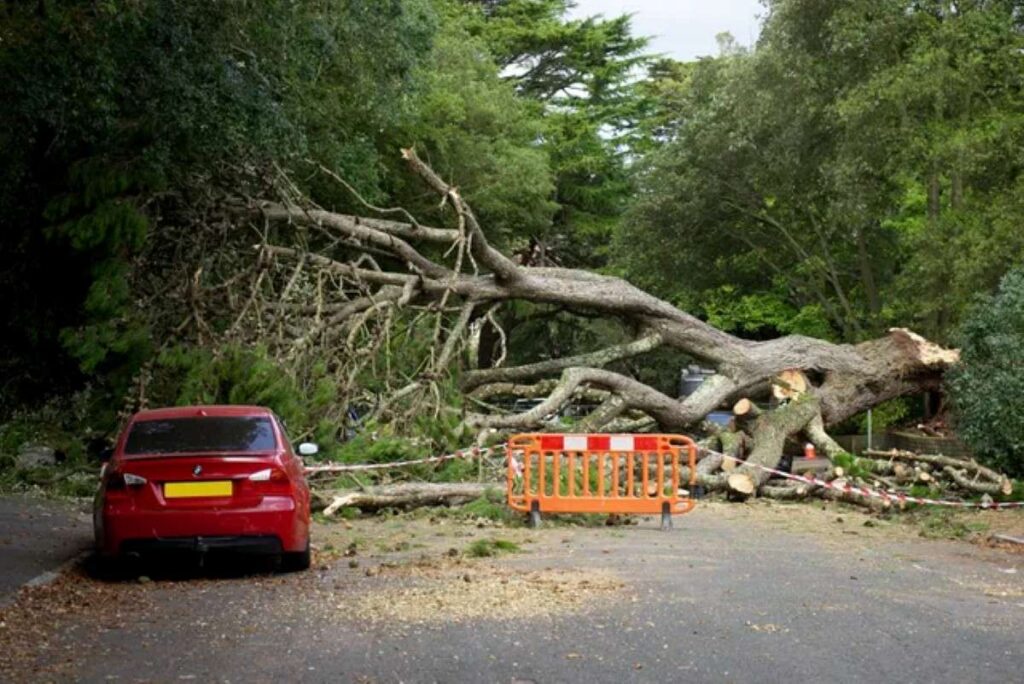
They should check for obvious hazards: dead branches, hanging limbs, trunk cracks, leaning trees, and weak forks. On unit blocks, risk increases because people pass under trees daily, often near entrances, bins, and car spaces.
A Crows Nest arborist should also consider target occupancy. For example, a courtyard used for gatherings has higher exposure than a seldom-used garden strip, so the same defect can carry a higher risk rating.
What structural defects should they look for in trunks and branches?
They should inspect for decay, cavities, included bark, old pruning wounds, pest damage, and signs of internal rot such as fungal fruiting bodies. They should also check branch attachments, especially on older eucalypts and large ornamentals common across Sydney’s North Shore.
A Crows Nest arborist should document defects with photos and plain-language notes so strata committees can make decisions quickly and confidently.
How should they check tree health and vigour?
They should look for canopy density, leaf size and colour, dieback patterns, epicormic growth, and stress indicators like sparse foliage or excessive deadwood. They should also inspect the site conditions: heat reflection from paving, restricted soil volumes, irrigation issues, and competition from turf.
A Crows Nest arborist should link health observations to realistic actions, such as mulching, irrigation adjustments, soil improvement, or staged pruning, rather than recommending removal by default.
What should they inspect at the roots and the tree base?
They should check root flare visibility, basal decay, girdling roots, soil build-up against the trunk, and evidence of root disturbance. On unit blocks, roots are often compromised by renovations, driveway works, service trenches, or repeated compaction from vehicles and bins.
A Crows Nest arborist should look for lifting pavers, cracked garden edging, and changes in ground level that can signal root plate movement or instability.
How should they account for underground and overhead services?
They should identify likely service corridors: water, sewer, stormwater, electrical, NBN, and gas. They should also note overhead power and comms lines, plus street lighting near boundaries. These constraints often shape pruning methods, access equipment, and timing.
A Crows Nest arborist should recommend potholing or service plans where needed, especially before stump grinding, root pruning, or new tree planting in narrow verges and courtyards.
What boundary and neighbour issues should they check?
They should confirm whether a tree sits wholly on strata land, on a boundary, or on a neighbouring lot. Boundary trees can create shared responsibilities and disputes about pruning, leaf drop, shade, and perceived risk.
A Crows Nest arborist should flag encroachments clearly and suggest a communication approach that avoids escalation, such as written notices, shared quotes, and a documented scope that stays within legal access rights.
What compliance rules matter in Crows Nest and the wider North Sydney area?
They should consider council controls that may apply to pruning or removal, including tree preservation requirements and heritage constraints. Rules can vary by species, size, and location, and approvals may be required before major works proceed.
A Crows Nest arborist should advise whether an application, exemption, or supporting report is likely needed, and they should write recommendations in a way that aligns with council assessment language.
What should they check about access, equipment, and site logistics?
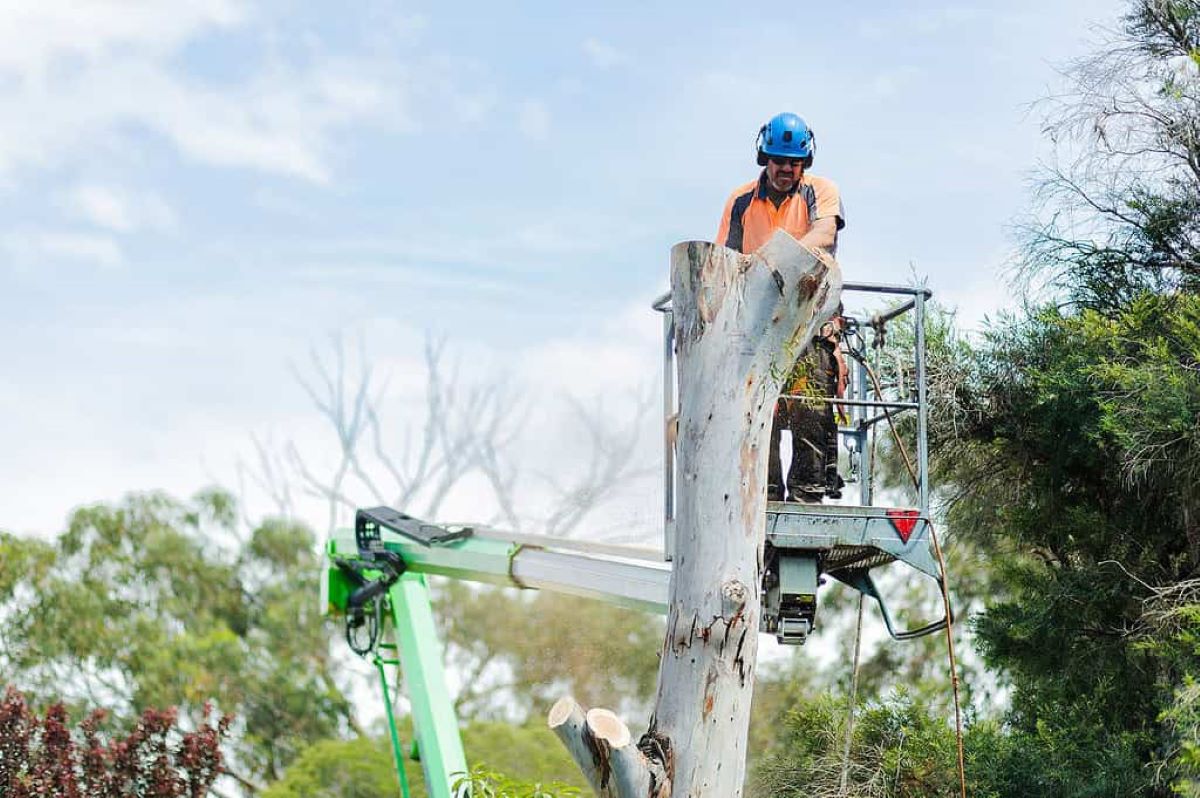
They should assess how crews will enter the site, where trucks and chippers can park, and whether there is room for rigging, lowering branches, or using an elevated work platform. Tight driveways, low carport clearances, and resident vehicles can make standard approaches unsafe.
A Crows Nest arborist should also plan for noise limits, school and peak-hour traffic, and safe exclusion zones so residents can move through common areas without risk.
How should they evaluate pruning needs without causing future problems?
They should check previous cuts for poor technique, excessive canopy reduction, or repeated lopping that has produced weak regrowth. They should aim for pruning that reduces risk while maintaining structure, clearance, and tree health.
A Crows Nest arborist should specify clear outcomes such as “reduce end weight on limb over car spaces” or “provide 2.5 m clearance over driveway,” rather than vague instructions that lead to over-pruning.
What should they inspect for building, drainage, and hardscape conflicts?
They should check for rubbing branches on roofs, gutters clogged with leaf litter, and trees overhanging balconies that create maintenance issues. They should also note shading that keeps surfaces damp, increasing slip risk and mould growth.
A Crows Nest arborist should inspect stormwater paths and garden grades, because tree roots often exploit leaking pipes and blocked pits. The best recommendations reduce conflict while avoiding unnecessary root damage.
How should they check for pest, disease, and environmental stress?
They should look for borers, scale insects, psyllids, fungal pathogens, and cankers, plus stress from heat, drought, and compacted soils. In Sydney, some species are prone to recurring issues that influence pruning cycles and replacement planning.
A Crows Nest arborist should recommend integrated responses where practical, such as improving tree vigour and monitoring thresholds, rather than relying on blanket chemical treatments.
What should they consider for tree selection and replacement on unit blocks?
They should consider mature size, root behaviour, canopy spread, and tolerance of confined soils. Many unit blocks need smaller canopy trees that still provide shade without overwhelming courtyards or interfering with services.
A Crows Nest arborist should recommend replacements that suit the microclimate, such as hot reflected areas near paving or windy corners near taller buildings, and they should include realistic establishment care requirements.
How should they document findings for strata committees and managers?
They should provide a short, prioritised action plan with risk ratings, recommended timeframes, and options at different budget levels. Photos, simple maps, and a clear scope help strata managers seek comparable quotes.
A Crows Nest arborist should also note what is urgent versus what can be staged. This prevents committees from overspending on low-risk items while missing higher-risk defects.
What ongoing maintenance plan should they recommend?
They should propose an inspection cycle based on tree size, age, species, and site usage. High-traffic areas and large trees typically need more frequent checks, especially after severe weather events that are common across Sydney.
A Crows Nest arborist should also recommend routine works like deadwood removal, clearance pruning, mulch renewal, and irrigation checks. A steady plan usually costs less than reactive call-outs after branches fail.
What questions should they answer before any work begins?
They should confirm who authorises works, whether council approval is needed, and how residents will be notified. They should also confirm access permissions, parking arrangements, and whether any works affect neighbours.
A Crows Nest arborist should clarify the disposal method for green waste, whether stump grinding is included, and what reinstatement is expected for lawns, garden beds, and edging.
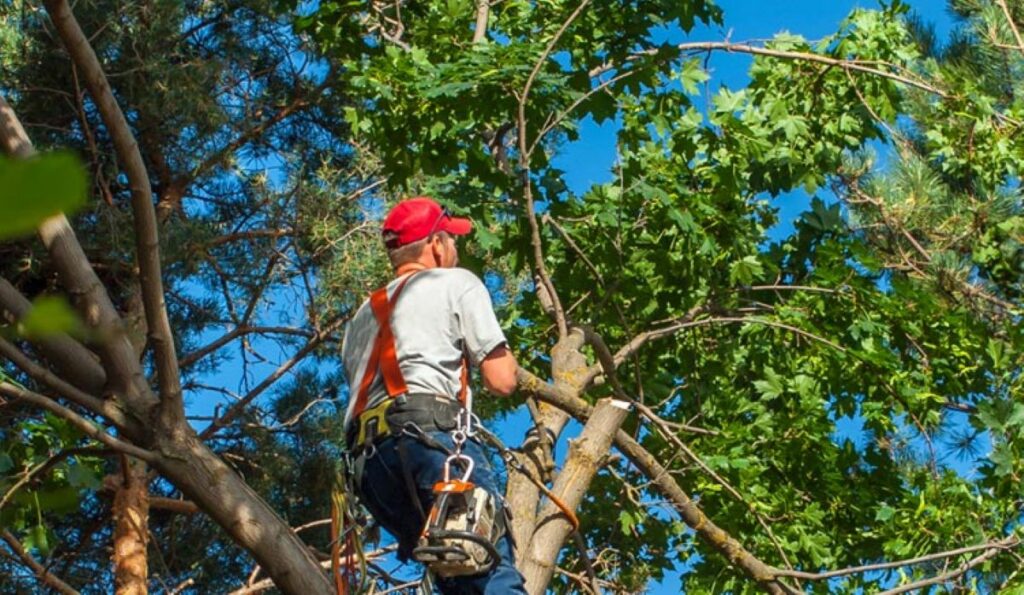
What is the practical checklist a Crows Nest arborist should run through on unit blocks?
They should check tree risk, compliance, access, and clear scope before tools come out. The aim is fewer surprises, safer work, and recommendations strata can act on.
A Crows Nest arborist checklist for unit blocks typically includes:
- Tree ID, ownership, and boundaries
- Defects: deadwood, decay, cracks, weak unions
- Root zone issues: compaction, disturbance, basal decay
- Asset conflicts: roofs, gutters, paving, drainage, fences
- Services: overhead lines, underground corridors
- Access and traffic control needs
- Pruning specifications and staged options
- Council and heritage constraints
- Photo evidence and priority timeframes
- A maintenance schedule and reinspection plan
What should they do if residents disagree about pruning or removal?
They should stick to evidence and risk-based language, then offer options that meet safety needs with minimal canopy loss where possible. Disagreements are common in strata because some residents want more sun while others value privacy and shade.
A Crows Nest arborist should provide a balanced recommendation and, if required, a short report suitable for strata records or council discussions. That documentation often helps committees reach a decision faster.
Related : Why Willoughby Tree Services Demand Peaks After Storm Season