

What do “reuse rates” mean on Australian formwork jobs?
Reuse rates are the number of pours a sheet can typically complete while still delivering acceptable concrete finish and staying structurally sound. In practice, it is not only about the sheet surviving. It is also about whether it still strips cleanly, holds fasteners, stays flat, and avoids surface defects that trigger rework.
On Australian projects, reuse is shaped by weather, handling, oiling practices, craneage, and how strictly crews protect edges and faces between pours.
How does formwork LVL differ from standard plywood sheets?
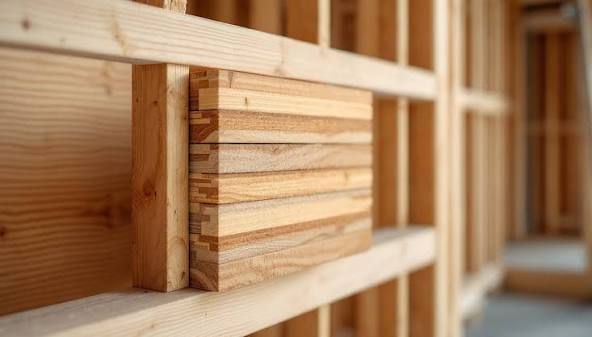
LVL formwork panels use laminated veneer layers engineered for stiffness and consistency, often supplied with a durable factory-applied facing. Standard plywood is more variable by grade, bond type, and face quality, and cheaper sheets can have weaker edges and less consistent thickness.
This difference matters because the common causes of early retirement are edge blowouts, face wear, and loss of flatness. When comparing formwork LVL reuse rates, consistency across a pack is one of the biggest day-to-day advantages.
Which option usually achieves more reuses on Australian sites?
In many Australian commercial and civil settings, LVL formwork panels often achieve higher and more consistent reuse counts than general-purpose plywood. Standard plywood can still perform well when it is a true formply grade and is protected properly, but variability increases the risk of mixed results across the same deck or wall set.
This is why the discussion is rarely “LVL vs plywood” in isolation. It is “LVL vs which plywood, which coating, and which handling system.”
What impacts formwork LVL reuse rates most in the field?
The strongest drivers are face protection, edge sealing, correct release agent use, and preventing water ingress. LVL can be stiff and stable, but repeated edge damage from prying or forklift handling will still end its service life early.
For crews trying to improve formwork LVL reuse rates, the quickest wins are disciplined stripping methods, edge guards in high-traffic zones, and a standard repair routine after each strip.
What damages standard plywood sheets faster than LVL?
Standard plywood sheets commonly fail earlier due to swelling, delamination, and edge breakdown, especially when exposed to rain and slab washdown water. Lower-grade plywood can also suffer from inconsistent core voids, which leads to local crushing around tie points and fixings.
When comparing formwork LVL reuse rates to plywood outcomes, water management becomes the dividing line. If sheets sit wet between pours, standard plywood usually loses cycles first.
How do concrete finish expectations change the reuse comparison?
Higher architectural finish requirements can reduce the usable cycles for both products. Once the face begins transferring wear, patch marks, or joint lines onto the concrete, sheets may remain structurally sound but no longer meet the specified appearance. Architectural concrete formwork finishes should therefore be considered when estimating panel reuse.
On projects where finish tolerance is tight, the “effective reuse” is lower. In that case, formwork LVL reuse rates can still be favourable if the facing resists abrasion and keeps a more uniform surface across multiple pours.
How do release agents and cleaning routines affect reuse?
Correct application of release agent helps stripping, reduces surface tear-out, and protects the face from cement paste build-up. Over-application can cause staining or fisheyes, while under-application increases bond and leads to face damage during strip.
Cleaning matters just as much. Aggressive scraping can gouge the face, while high-pressure washing can drive water into edges. A measured routine supports formwork LVL reuse rates and also extends the life of quality formply.
Are edge sealing and repairs more important than the sheet type?
Yes, edges are where most sheets fail first. Once edges swell or break, alignment suffers and concrete fins increase, which means more grinding and patching. Sealing cut edges immediately and resealing after repairs is one of the best ways to lift reuse.
This applies to both materials, but it is especially critical when chasing predictable formwork LVL reuse rates across repeated cycles on walls and columns.
How do weather and storage conditions in Australia change performance?
Australian sun and rain cycles can be harsh on panels that are left exposed. UV and heat can accelerate face wear and dry or crack sealants, while rain may cause swelling when edges are not protected. Coastal sites can add salt and wind-driven moisture, keeping stacked panels damp. Protecting plywood from weather exposure can therefore help preserve its condition between uses.
Covered storage, stacked flat on bearers, and keeping faces clean can add meaningful cycles. These basics often decide whether formwork LVL reuse rates stay strong or fall back toward average plywood outcomes.
What role does fixing method play in sheet longevity?
Repeated nailing in the same zones can split edges and loosen the face, while overdriving fasteners can crush the surface and create defects in the pour. Screws can reduce damage in some applications, but they also concentrate stress if crews over-torque them.
A consistent fixing pattern and using appropriate washers around ties reduces local damage. This helps stabilise formwork LVL reuse rates and makes plywood performance less erratic.
How do labour and downtime costs change the real comparison?
Even if plywood sheets are cheaper per panel, time spent patching, sanding, replacing, or re-leveling can erase savings quickly. When a deck has mixed sheet flatness, crews often spend extra time chasing setdown lines and stopping slurry leaks.
LVL panels can reduce that variability, which can reduce rework and cycle time. This is why formwork LVL reuse rates should be judged alongside labour, not as a standalone number.
When do standard plywood sheets make more sense?
Standard plywood can be a smart choice for short runs, sacrificial uses, or low-finish pours where sheets will be cut heavily, drilled often, or exposed to high risk of damage. It can also suit smaller builders who can manage sheets carefully and avoid wet storage.
If the job has only a few pours and minimal repetition, the advantage in formwork LVL reuse rates may not outweigh procurement cost or availability of the preferred LVL panel sizes.
When is LVL the safer bet for predictable cycles?
LVL is often favoured where repetition is high and schedule certainty matters, such as multi-storey slabs, core walls, and projects with tight crane windows. Consistent stiffness and surface performance can reduce surprises mid-program.
For contractors prioritising predictability, the appeal is not only higher formwork LVL reuse rates. It is also fewer outliers, fewer “bad sheets” in the pack, and fewer stoppages.
How should they estimate reuse on their own project?
They should base estimates on site conditions, finish requirements, and the crew’s handling discipline, then validate with a small trial set. Tracking pours per sheet for one level or one wall run gives a realistic project-specific number.
A simple approach is to record pour count, repairs, edge reseals, and reasons for retirement. Over time, this becomes a practical benchmark for formwork LVL reuse rates versus the plywood they actually buy and use.
What is a practical decision checklist for Australian crews?
They should choose sheets that suit the project’s repetition, required finish, and exposure conditions, then protect the material carefully between uses. Procurement should prioritise verified formwork-rated products and reliable supply rather than focusing only on the price per sheet. Checking LVL formwork timber sizes can also help ensure the selected material suits the project’s practical requirements.
To make the call, they can check:
- How many pours are expected per panel location.
- Whether the finish is structural, Class 2, or architectural.
- How exposed sheets will be to rain between pours.
- Whether edge sealing and repairs are resourced.
- How often sheets will be cut down or re-drilled.
This keeps decisions grounded in outcomes, not assumptions about formwork LVL reuse rates or plywood durability.
What is the bottom line on reuse rates vs value?
LVL often delivers higher and more consistent reuse where sheets are protected and the job repeats pours many times. Standard plywood can still be cost-effective for short runs or lower finish work, especially when sheet loss is expected.
The most reliable result comes from matching the product to the job and controlling the common failure points. When they do that, formwork LVL reuse rates become a measurable advantage rather than a marketing claim.
FAQs (Frequently Asked Questions)
What are formwork LVL reuse rates and why do they matter on Australian construction sites?
Formwork LVL reuse rates refer to the number of concrete pours a laminated veneer lumber (LVL) sheet can reliably complete while maintaining acceptable concrete finish quality and structural integrity. On Australian sites, these rates are crucial because higher reuse means fewer repairs, less downtime, and overall cost savings compared to standard plywood sheets, which may degrade faster under local weather and handling conditions.
How does formwork LVL compare to standard plywood sheets in terms of durability and consistency?
LVL formwork panels are engineered with laminated veneer layers for enhanced stiffness and uniformity, often featuring durable factory-applied facings. Standard plywood varies significantly by grade, bond type, and face quality, with cheaper options prone to edge blowouts, face wear, and thickness inconsistencies. This makes LVL panels generally more consistent and reliable across multiple pours on Australian sites.
What factors most influence the reuse rates of formwork LVL panels in the field?
Key factors impacting formwork LVL reuse rates include effective face protection, sealing of edges to prevent water ingress, correct use of release agents during stripping, disciplined handling practices such as careful craneage and stripping methods, plus routine repairs after each pour. These measures help maintain flatness and surface quality essential for repeated use.
Why do standard plywood sheets typically fail faster than LVL on Australian projects?
Standard plywood is more susceptible to swelling, delamination, and edge breakdown due to exposure to rain and slab washdown water common on Australian sites. Lower-grade plywood may also have inconsistent core voids leading to crushing around fixings. Without proper water management and protection between pours, plywood sheets usually lose cycles earlier than LVL panels.
How do concrete finish requirements affect the effective reuse of formwork materials?
Higher architectural or finish standards reduce the number of usable pours for both LVL and plywood because any surface wear or defects become visible in the concrete finish. Although sheets might remain structurally sound after many uses, once surface imperfections telegraph into the pour they must be retired or repaired. LVL’s abrasion-resistant facing often helps maintain a uniform appearance over more cycles under tight finish tolerances.
What best practices improve formwork LVL reuse rates and extend panel lifespan on site?
To maximize formwork LVL reuse rates on Australian sites, crews should apply disciplined stripping techniques using correct release agents without over-application; protect panel edges with guards especially in high-traffic zones; seal cut edges immediately after cutting; perform regular repairs after each strip; store panels covered and flat away from moisture; manage fixing methods carefully to avoid edge splitting; and maintain cleaning routines that avoid aggressive scraping or high-pressure washing that can damage faces or drive moisture into edges.
